Professional Kitchen Design in Thousand Oaks, CA
Quick Take: Professional kitchen design catches layout problems, material mismatches, and budget blind spots before a single wall comes down. In Thousand Oaks, where most homes were built in the 1970s through the 1990s, a designer's floor plan often determines whether the project runs smoothly or stalls mid-build. Most kitchen remodels in the Conejo Valley range from $40,000 to $90,000, and professional design is one of the most reliable ways to protect that investment.
Skipping straight to the build phase seems like a way to save time. In practice, it usually creates more problems than it solves. Layout issues surface after demolition. Material choices that looked good separately don't work together once everything is in the room.
Professional kitchen design closes that gap early. For homeowners in Thousand Oaks working through a full renovation, having a plan in place is usually what separates a smooth project from a stressful one. The design phase is where the important decisions get made carefully, not quickly.
What a Professional Kitchen Designer Actually Does
There's a common assumption that a kitchen designer is mostly an aesthetic resource, someone who helps you pick cabinet finishes and countertop colors. That's a portion of the work, but not the core of it. A designer's primary job is to translate what a homeowner wants into something that can actually be built, on budget and on schedule, without compromising how the space functions.
That means producing accurate floor plans, identifying structural constraints early, managing material timelines, and coordinating with the build team so decisions stay aligned throughout. In a design-build model, design and construction happen under the same roof, so there's no hand-off between a separate design firm and a separate contractor. Nothing gets lost between those two phases. Our kitchen and bath design services in Thousand Oaks are built around that model, which cuts down on the communication gaps that cause delays and budget overruns.
Why Floor Plans Are the Foundation of a Good Remodel
A floor plan isn't a formality. It's the document that determines whether your kitchen actually works once it's built. Dimensions that look reasonable on a mood board can create real problems in a finished space, and those problems don't show up until you're living with them.
Clearances, Work Triangles, and Measurements That Matter
Two of the most referenced standards in kitchen design are the work triangle and counter clearances. The work triangle connects the sink, stove, and refrigerator, and each leg should measure between 4 and 9 feet. Shorter than that and the space feels cramped. Longer and you're covering unnecessary distance every time you cook. Counter clearances are just as specific.
A single-cook kitchen needs at least 42 inches between facing counters, and a kitchen built for two people working at the same time needs 48 inches. These measurements affect how the room functions every day, and they're the kind of detail that gets missed when a kitchen remodeling project moves into construction without a proper plan.
What Older Thousand Oaks Homes Add to the Equation
Homes in the Conejo Valley tend to carry a few decades of history, and older layouts don't always support the way families use kitchens today. Galley configurations that made sense in an earlier era often leave modern families short on counter space and storage. Load-bearing walls, older electrical panels, and plumbing that wasn't designed around a modern layout can all affect what's actually possible in a renovation. A designer who knows the local housing stock accounts for those factors before the plan is finalized, not after a wall comes down.
How 3D Renderings Remove the Guesswork
One of the most common regrets in kitchen remodeling isn't the budget or the timeline. It's the finish choices. A cabinet color that looked right on a small sample looks different across a full run of uppers and lowers. A countertop that seemed neutral next to a single tile can read entirely differently once flooring, lighting, and hardware are all in the room together. By the time those combinations are visible in a finished kitchen, the orders have already been placed.
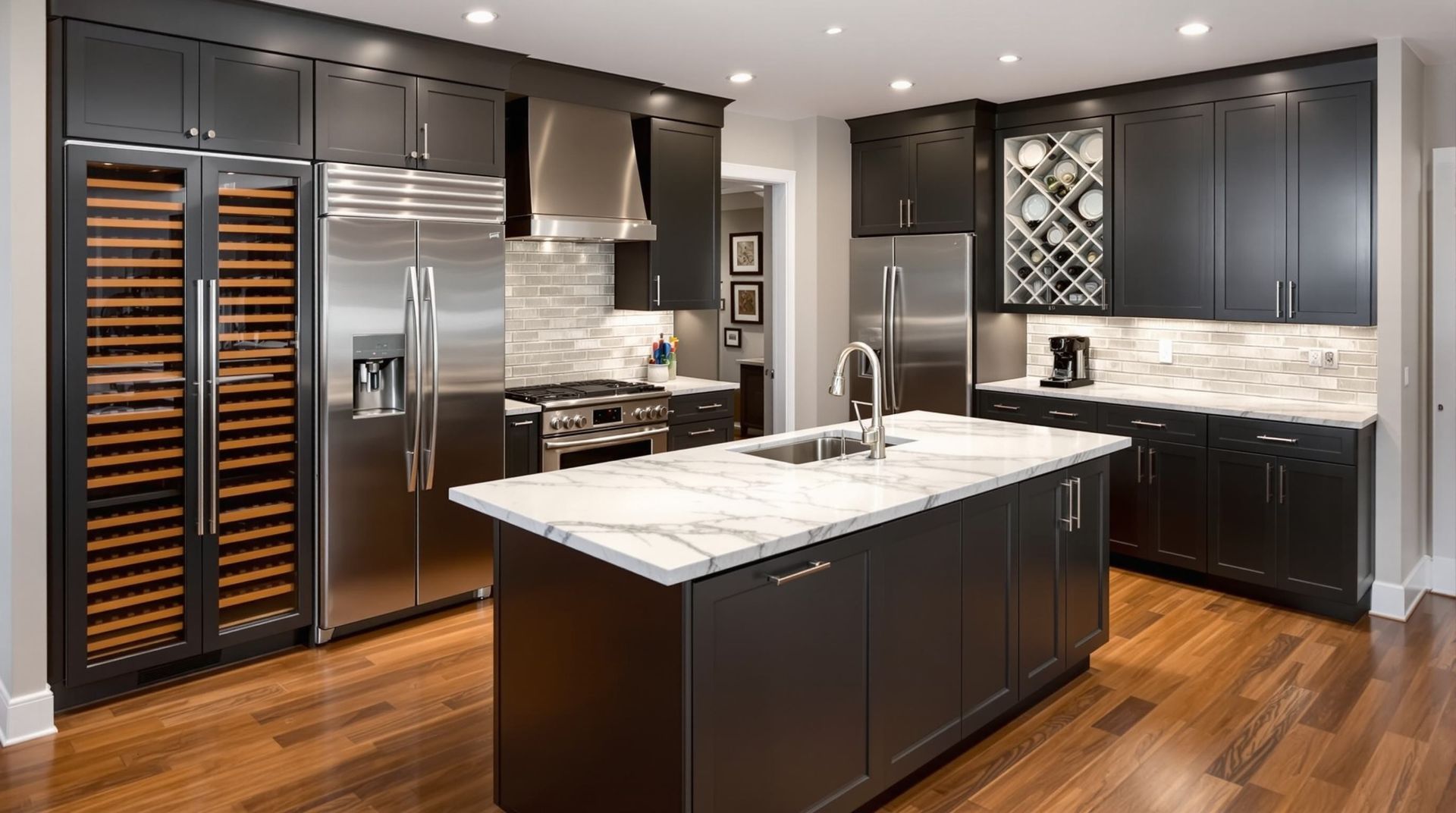
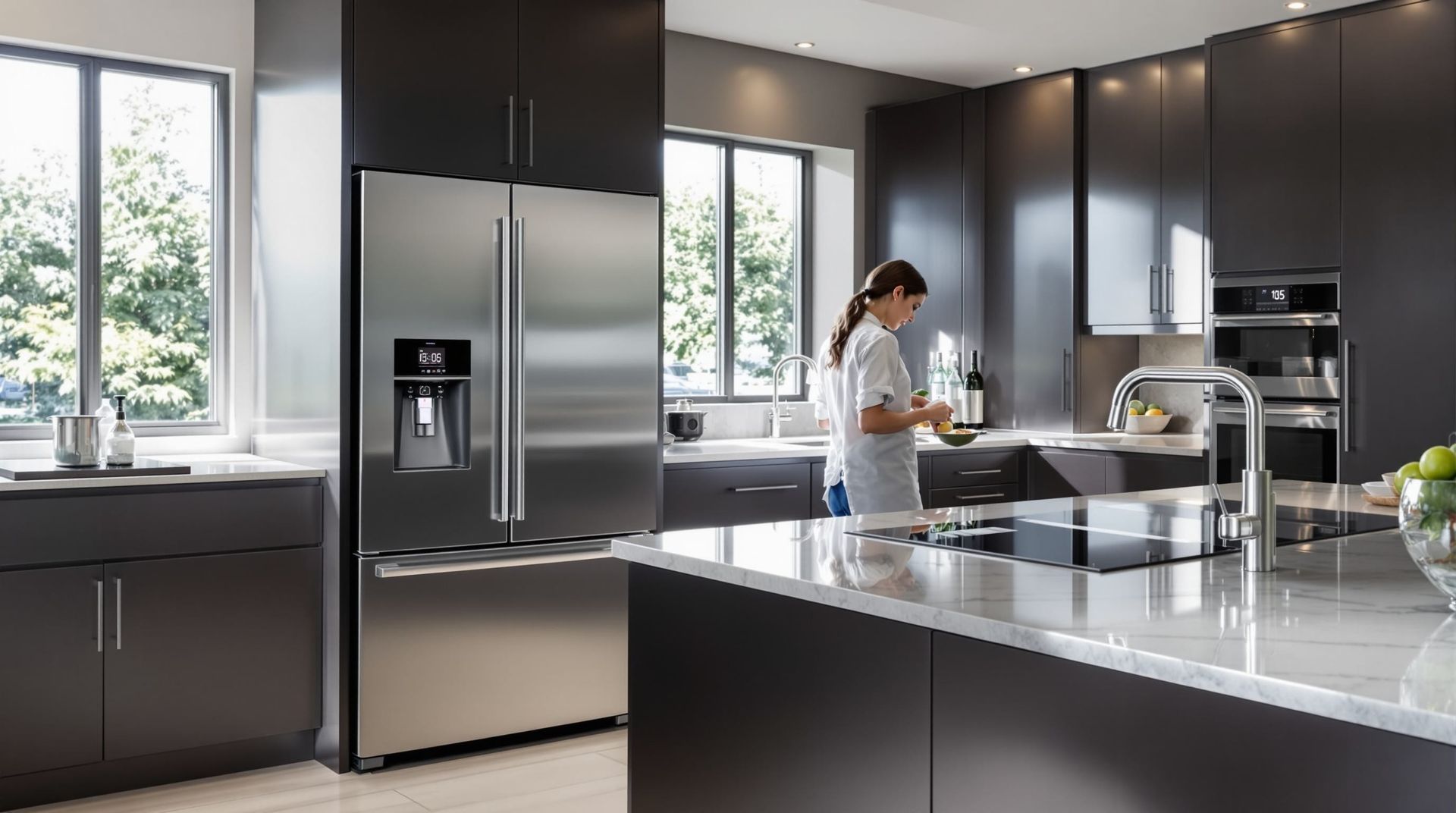
3D renderings solve this before it becomes a problem. A photorealistic rendering shows your actual room, with your actual selections, at scale, before anything gets ordered or committed.
Four things become possible with that kind of visualization
- Seeing your cabinet and countertop combination under your kitchen's actual lighting conditions, not a showroom's.
- Comparing two material directions side by side without running separate sample orders.
- Catching layout conflicts early, like an island that blocks a traffic path or a window that a tall cabinet would cover.
- Giving your installation team a single, clear reference point so field decisions don't drift from the original design.
Choosing your custom kitchen cabinets is one of the biggest financial commitments in the project. Renderings make that decision a confident one rather than a calculated guess.
Material Selection and Where Designers Save You Money
Material selection is where a lot of remodeling budgets quietly get away from homeowners. Not because they choose expensive things, but because they choose things independently of each other. A countertop selected without the flooring confirmed. Hardware picked before the cabinet finish is locked in. Each decision seems reasonable on its own, and then everything arrives and the combinations don't hold together the way they did in separate showroom visits.
A designer brings those decisions into the same conversation. They're looking at the full material picture at once, flagging combinations that will date quickly, and steering toward selections that hold up over the long term. That perspective tends to prevent the kind of mid-project pivots that add cost and delay.
There's also the supplier side. Designers who work in volume have established relationships with fabricators and vendors that most homeowners don't have access to on a single project. At our Newbury Park showroom, we carry Dura Supreme cabinetry alongside countertop, flooring, and fixture options so clients can evaluate real materials together in the same space, with guidance, rather than piecing a selection together from multiple sources and hoping it all lands right.
What Happens When the Unexpected Comes Up
Even a well-planned kitchen remodel can surface surprises once demolition starts. In older Thousand Oaks homes, what turns up behind walls is a familiar list. Outdated wiring that doesn't meet current code. Plumbing that wasn't roughed in where the new layout needs it. Moisture damage that's been sitting undetected for years. None of these are reasons to avoid remodeling. They are reasons to have a structured process in place before the project starts.
When a designer is involved from the beginning, contingencies are already part of the plan. Budgets are built with realistic allowances for what older homes sometimes require, and timelines include buffer for permit reviews that run long. If something unexpected does come up mid-project, the process handles it. Change orders get documented and costs get explained before work proceeds.
The homeowner isn't left making fast calls under pressure with a partially demolished kitchen. The same holds for bathroom remodeling in Thousand Oaks, where older homes present the same structural variables. A plan that accounts for the unexpected isn't pessimistic. It's just honest about how renovation in this area actually works.
What to Expect Working With Westside Remodeling
Westside Remodeling has been working with Conejo Valley homeowners since 1985. Nearly four decades of local projects means familiarity with the housing stock, the permit offices, and the material suppliers that actually serve this area. That kind of experience shows up in how projects are scoped, how surprises get handled, and how closely the finished result matches what was planned.
The process starts with a consultation, either at your home or at our design showroom in Newbury Park, where you can see cabinetry, countertops, flooring, and fixture options in person before committing to anything. From there, we move into the design phase, producing floor plans, material selections, and 3D renderings that show you exactly what you're getting before construction begins. The build phase follows with the same team, so nothing shifts between design and installation.
Our work has been recognized by Professional Remodeler Magazine's Big 50, an award given to 50 companies selected from more than 130,000 remodeling firms nationwide. Client satisfaction is independently tracked through GuildQuality surveys, publicly available at our profile. We'd rather show you what that looks like in practice than describe it.
Conclusion
A well-designed kitchen remodel doesn't happen by accident. It starts with a plan that accounts for how the space actually functions, what your home's structure can support, and how your material choices will look together in real life. Skipping that step tends to surface problems at the worst possible time, after demolition, mid-order, or once the build is already underway.
Westside Remodeling was built around the idea that design and construction belong in the same conversation from the start. If you're planning a kitchen renovation in the Conejo Valley and want a clear picture of what your project will look like before work begins, reach out to set up a consultation.